
The Visibility We Choose
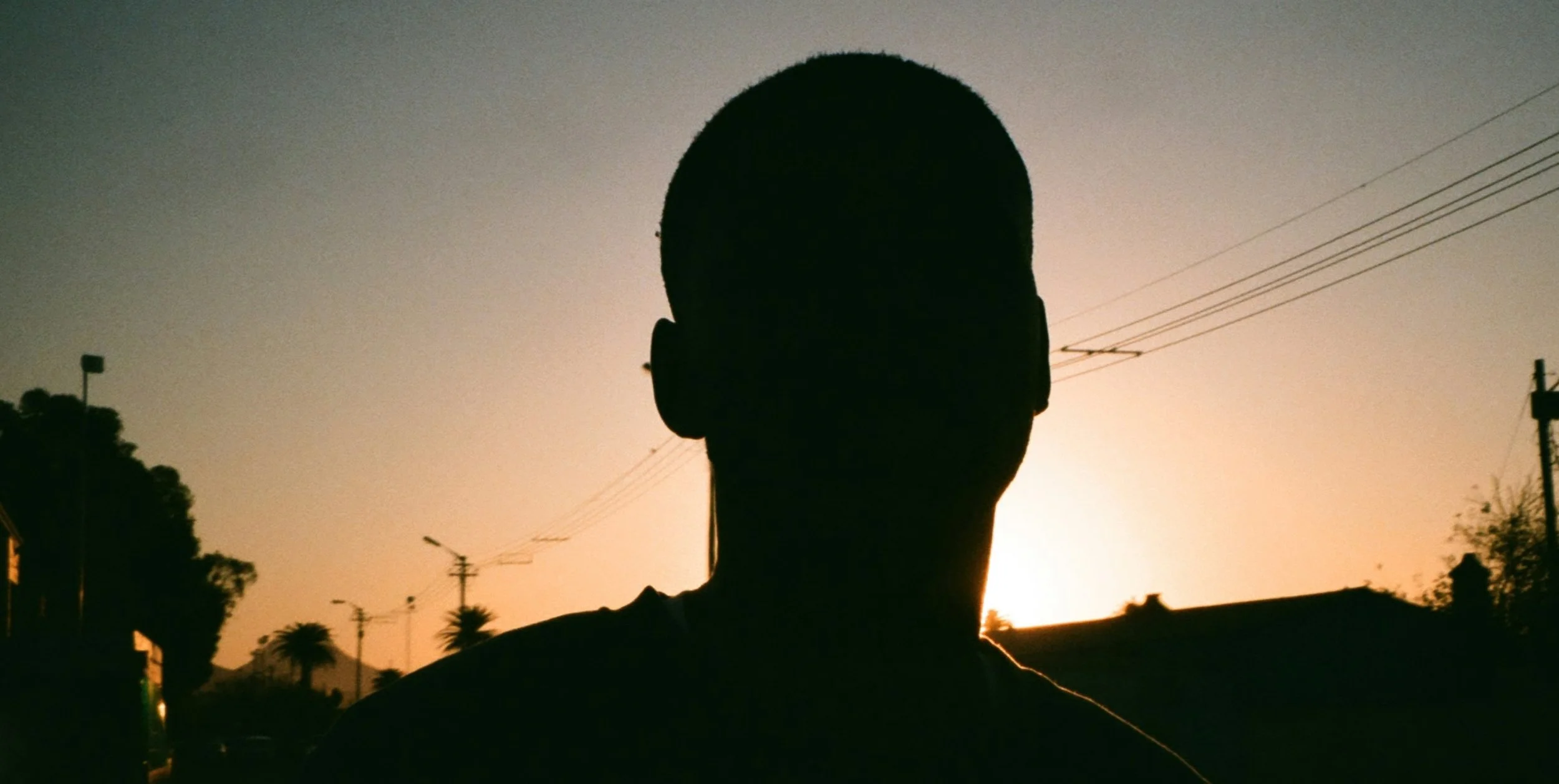
In the late 1990s, I visited a nineteen-year-old a few days before he took his last breath.
At the time, I was working at one of the first adolescent AIDS centers in the country, part of the Montefiore Hospital system in the Bronx. When he arrived at our door, he had already been invisible to almost every institution that was meant to “see” him.
What I remember most is not the grief of watching a young person die, though there was plenty of it. What I remember is the slow, compounding weight of the conditions that brought him to us. No single catastrophe. Just a young man in America with no support net, ensnared in a system that failed to protect him.
Twenty-five years later, the conditions that shaped his life and ultimately led to his untimely passing have endured. So why are we in philanthropy constantly touting our “success”?
What we built instead.
On any given day, my social media feed serves up a “who’s who” in philanthropy. Lists that are ranked, curated, photographed that honor the most influential people. There are galas. There are profiles. There is a whole system of recognition that has grown up around the people who hold the money. And it is expanding at exactly the moment when many of those same institutions are pulling back from the hardest fights, cutting funding to the organizations doing the most necessary and important work. We’ve “celebritized” philanthropy in a way that shines a spotlight on the (already powerful) people who hold the wealth, sidelining the people that money is supposed to impact.
I’m not the only person in philanthropy who feels this way. We’re seeing philanthropic leaders, and others such as Russell Roybal, who guest-authored a piece for the Rockwood Leadership Institute and the National Committee for Responsive Philanthropy, coming forward with their own public critiques. In a recent post, Roybal calls out “a troubling pattern” across many sectors, including social movements, of “elevating leaders whose greatest talent is not service, vision, or collaboration, but self-promotion … amplifying the loudest voices rather than the most thoughtful ones.”
This perspective is quietly shared by colleagues I respect, people who have spent their careers in this sector. The private consensus is that something has gone wrong. We have lost the plot somewhere between the mission statement and the magazine cover. Or, as Roybal observes, the “mission gradually becomes secondary to the leader’s image.”
¿No te da vergüenza?
For a long time, I was also complicit. Nodding. Scrolling. Saying nothing. I stepped back from social media almost entirely. Not because I had nothing to say, but because something about the conversation felt increasingly artificial. I watched the work get eclipsed by the faces of the people funding it. And I thought: I don't want to add to this noise. I don't want to perform my values. I want to actually live them.
So, I went quiet publicly. But I never stopped observing and reflecting privately.
Visibility is not impact.
I think about what philanthropy looked like earlier in my career — at organizations where our very purpose for existing was centered around the grantees. Over the past two decades, the conversation seems to have shifted — gradually — away from the material conditions of people's lives and toward the people doing the giving. The giver has become the story. The cover. The brand.
I am not blaming philanthropy’s infatuation with self-promotion on any specific individual or group. In fact, many of the people being celebrated are doing genuinely important work. I know them. Some are friends. When I look at what they are actually funding and fighting for, I see people who care deeply and are trying to make an impact in a sector that is inherently broken by design. As Roybal points out, “modern culture often confuses visibility with value,” so “collaborative and community-centered leaders remain overlooked.” While I believe intentions are pure, even the most thoughtful, values-aligned leaders get caught in this self-serving cycle. Along the way, philanthropy bought into the idea that visibility is the same as impact. It is not.
What are we doing this for?
I recognize that I am not removed from this dynamic. I have a website. I am publishing this essay. I want people to read it. The question I keep asking myself is not whether to show up publicly; it's why, and in service of what. I want people to care about the context of my words, not my profile.
In this moment, when our sector has gotten very loud — and the loudness is mostly about us — I find myself reflecting on my own experience relearning how I listen.
What would it look like for us to reorient in philanthropy? Not toward the giver, but toward the work.
About eight years ago, I woke up one morning and could not hear out of one ear. Losing hearing transforms your life. I have had to listen intentionally in a way I never had before. You cannot be passive about it. You have to orient yourself toward the person speaking. You have to choose to hear. Philanthropy needs that same kind of intentionality, especially in this moment. The kind that forces you to turn away from the mirror and toward the work.
Hay otra forma (there is another way) is something I have said for a long time and hold true. Before we can solve this problem in philanthropy, we must address it — slowly, in partnership, through honest conversation and a willingness to be uncomfortable. We must, as Roybal says, not confuse “confidence and competence,” as they “are not the same thing.”
I challenge you to grapple with the same question I find myself sitting with, eight years into learning to listen differently: Who are we doing this for? Is it the people who never make the lists — the ones working in the unglamorous middle of hard problems; organizations that could use more money and less fanfare; a nineteen-year-old whose name has been forgotten?
My hope is that we in philanthropy can shift our focus to what really matters, especially now — toward the people who are rarely celebrated and seen.